
Why do two quotes for the same event look completely different?
Quotes for the same event usually differ in price and in what that price includes. In each quote, the working hours, the deadline for delivering the photos and the licence terms may vary, as may the rules that apply if the event runs over time. The prices themselves can only be compared once these details from each photographer's quote are known.
I find out what will affect the price of a particular event from the very first enquiry. I am unable to provide an accurate quote when all I know is that the event will take place on a Friday in Warsaw. Before I quote a price, I ask about the type of event, its exact address, the times and the estimated number of guests. When it comes to the times, I also ask whether I'm needed for the whole event or just part of it.
The address only affects the price for bookings outside Warsaw and the surrounding area, as travel time is then factored into the quote. I assess the scale based on the type of event and the number of guests, while also taking the times into account, as small events rarely last a whole day. The scale determines whether I can manage on my own at the venue or whether I'll suggest a more comprehensive photography service.
Preparation before the event
I usually arrive 30 minutes early for most events, while for larger agency events, an hour's buffer is standard. This buffer is also factored into the quote.
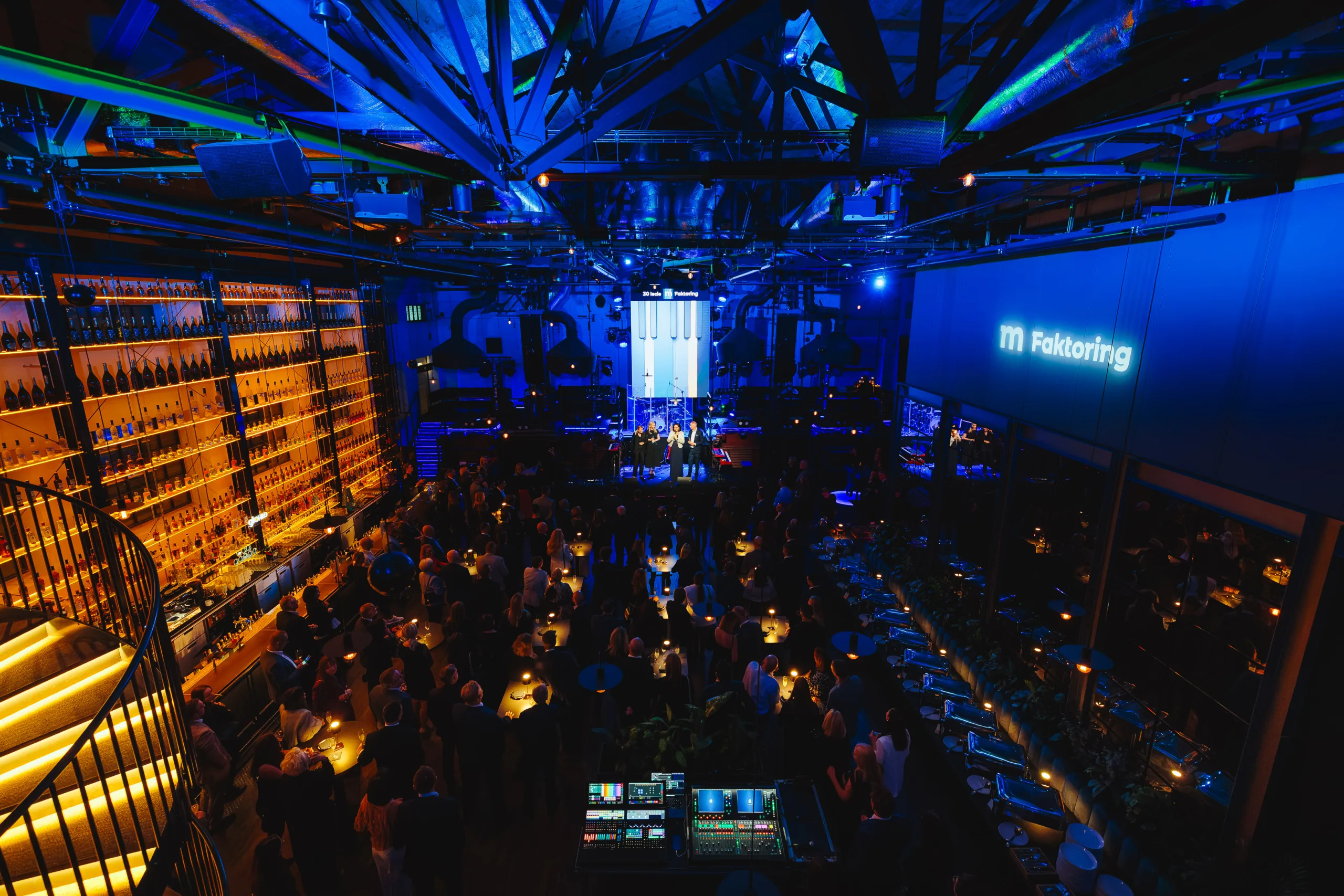
During this time, I set up my equipment and familiarise myself with the venue, while confirming the brief and agenda with the agency. I also document the entire production, that is, the set design and branding prepared specifically for the event, which agencies regard as standard practice.
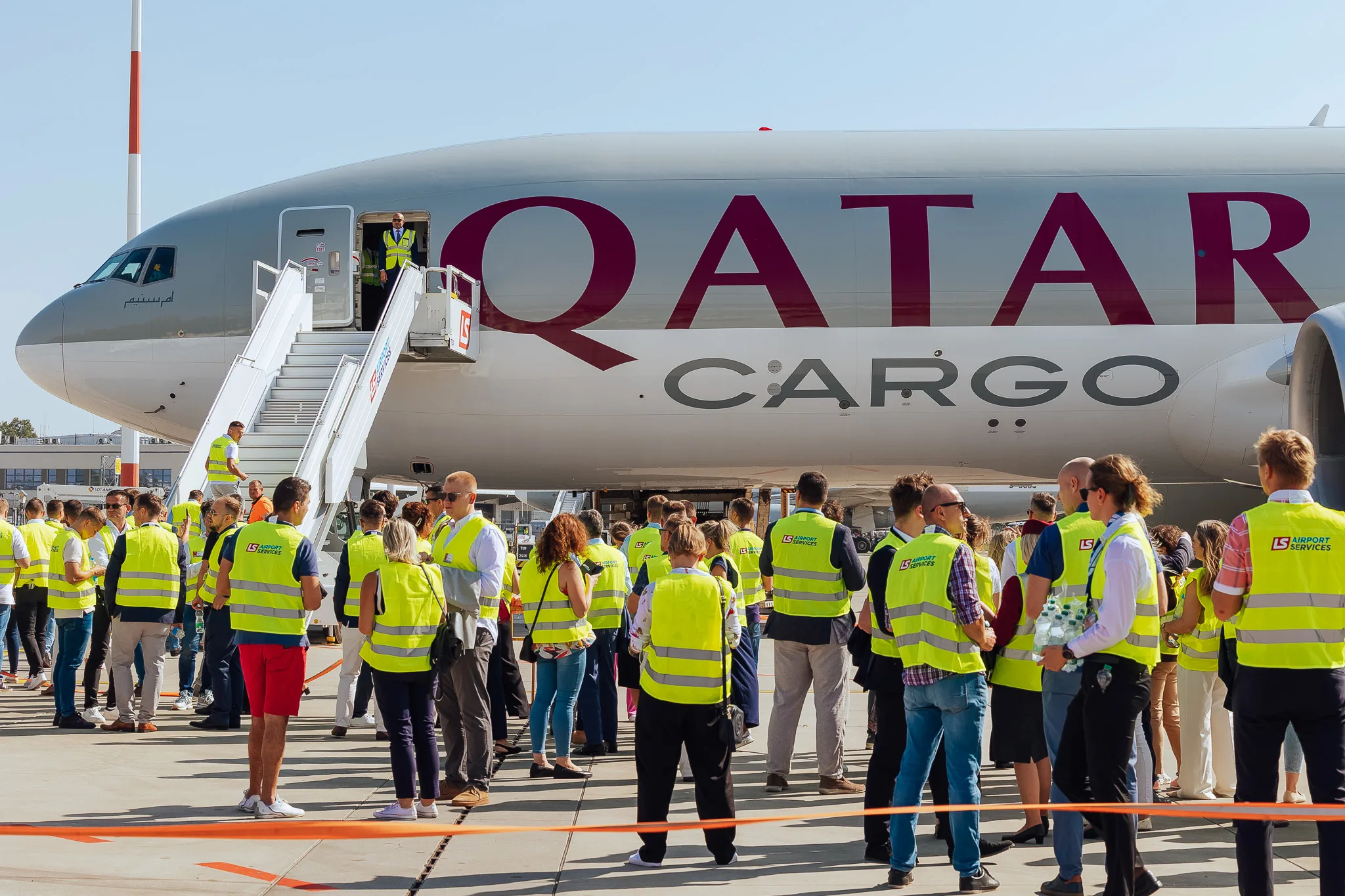
I agree on the arrival time with the client right at the initial quote stage, as this often varies from event to event. At one event, the conference portion with the first speakers' presentations may already be underway by 10:00, and participants may have already checked in and had their morning coffee, so I calculate my arrival time from when registration opens. For large events, I allow even more time for preparation.
I've described the entire process of such an event, from preparation to delivering the photos, in a post about what a photographer's work at a corporate gala looks like.
How scale and intensity affect the price
For the same number of hours on site, I might have twice as much work. An accurate quote from an experienced event photographer also takes into account the things that aren't immediately obvious. I'll illustrate this using pairs of events that look similar on the agenda.
A corporate event for 150 and 500 people, same hours
What changes the intensity
Number of people and programme items to photograph
A conference with several speakers versus a conference with a rapid rotation of speakers
What changes the intensity
The duration of each presentation
One stage or several stages running in parallel
What changes the intensity
Number of locations where events are taking place simultaneously
The same event in Warsaw and Wrocław
What changes the intensity
Approximately 7 hours' travel time there and back
| What looks similar | What changes the intensity |
|---|---|
| A corporate event for 150 and 500 people, same hours | Number of people and programme items to photograph |
| A conference with several speakers versus a conference with a rapid rotation of speakers | The duration of each presentation |
| One stage or several stages running in parallel | Number of locations where events are taking place simultaneously |
| The same event in Warsaw and Wrocław | Approximately 7 hours' travel time there and back |
It usually comes down to the number of people. With 150 people, the programme for a corporate party tends to be more relaxed, while with 500 it's usually packed with activities and formal proceedings.
At a conference, I focus primarily on the rotation of speakers and the duration of their talks. When there are just a few speakers throughout the event, each talk lasts longer and I have time to photograph them from several angles. With a rapid change of speakers, the talks are much shorter, and every person on the stage must be captured in good photos, regardless of how long they were on the stage.
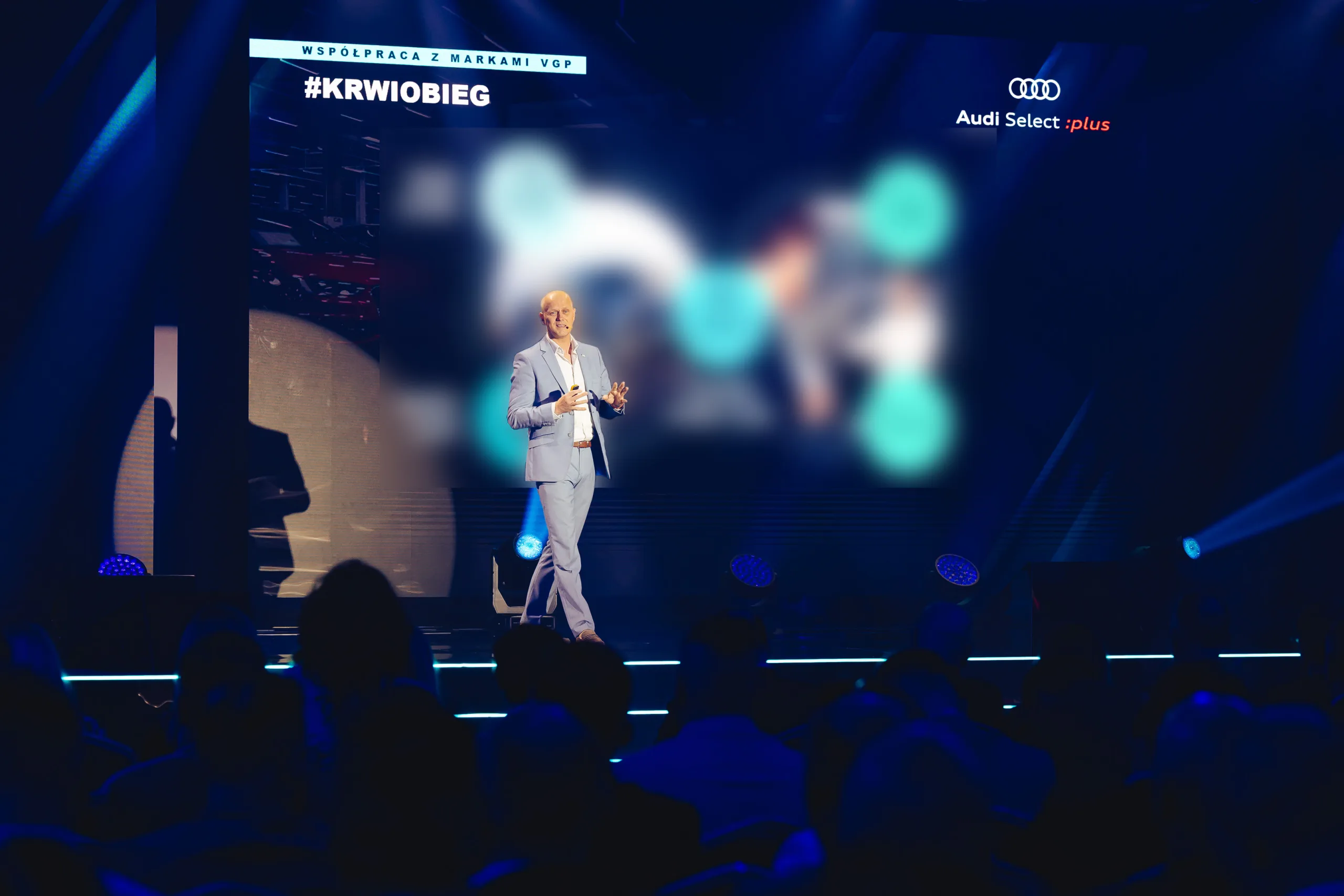
A smaller number of guests at an event should not, in itself, affect the quote, provided the agenda and duration of the event remain the same. When 120 people ultimately turn up out of a list of 150, I am still photographing the same programme for the same number of hours. I do not recalculate my rates per guest, as the quote varies according to the scope and intensity of the assignment.
When a second photographer is needed
At a conference or forum with three or four stages, where 20-minute presentations are taking place simultaneously, one person cannot be everywhere at once. Working alone, I can only cover all the stages at the expense of the number of photographs. Instead of around 10 final shots of each speaker, I end up taking just 3 and have to move straight on to the next room.
One speaker finishes later, another starts earlier, and with such last-minute changes, the time available for good photos is reduced. So, when there are several stages running simultaneously, I recommend a second photographer to ensure full coverage of the event and to avoid unnecessary stress.
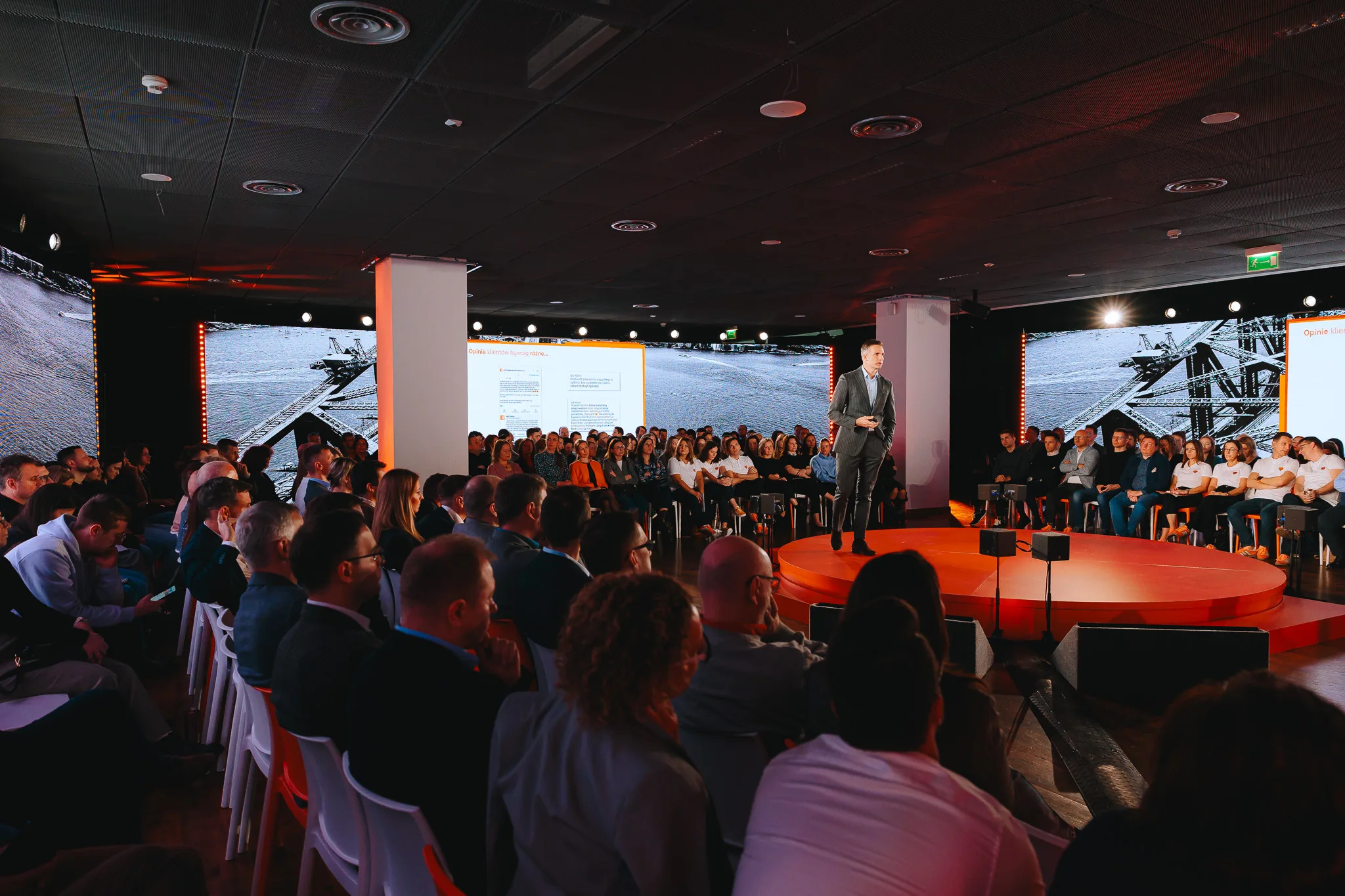
Sometimes the main stage is the priority, and the other stages are supplementary to the main coverage. It's worth agreeing the order with the photographer before the event, so that it's clear from the outset which stage is the most important. I focus on the main stage first, and move on to the others in my spare moments, taking fewer photos there.
The decision regarding a second photographer is often determined more by the programme than by the number of people at the event itself. Several hundred people in a single audience is usually a standard job for one photographer, but the same several hundred people spread across several parallel activities requires at least two photographers.
I described an example from a company trip, where several activities were taking place simultaneously, in the post When do you need a second photographer at an event?
Work that goes unseen
Contrary to appearances, the work carried out during the event accounts for only half of the entire assignment. The second half of the photography service begins when I sit down at my computer with all the photos, and this part is usually invisible to the client, even though it is precisely this part that determines which photos they will ultimately receive.
I prepare for the first half even before the event. I check the venue online and read the brief so that I know what should be included in the photos. I arrive at the venue with a full set of equipment, so I have everything I need for the job with me.
The first layer of data protection is established while the event is still taking place, as I save every photo simultaneously onto two memory cards. Upon my return, I begin by transferring the photos from one card to my computer and making a backup copy.
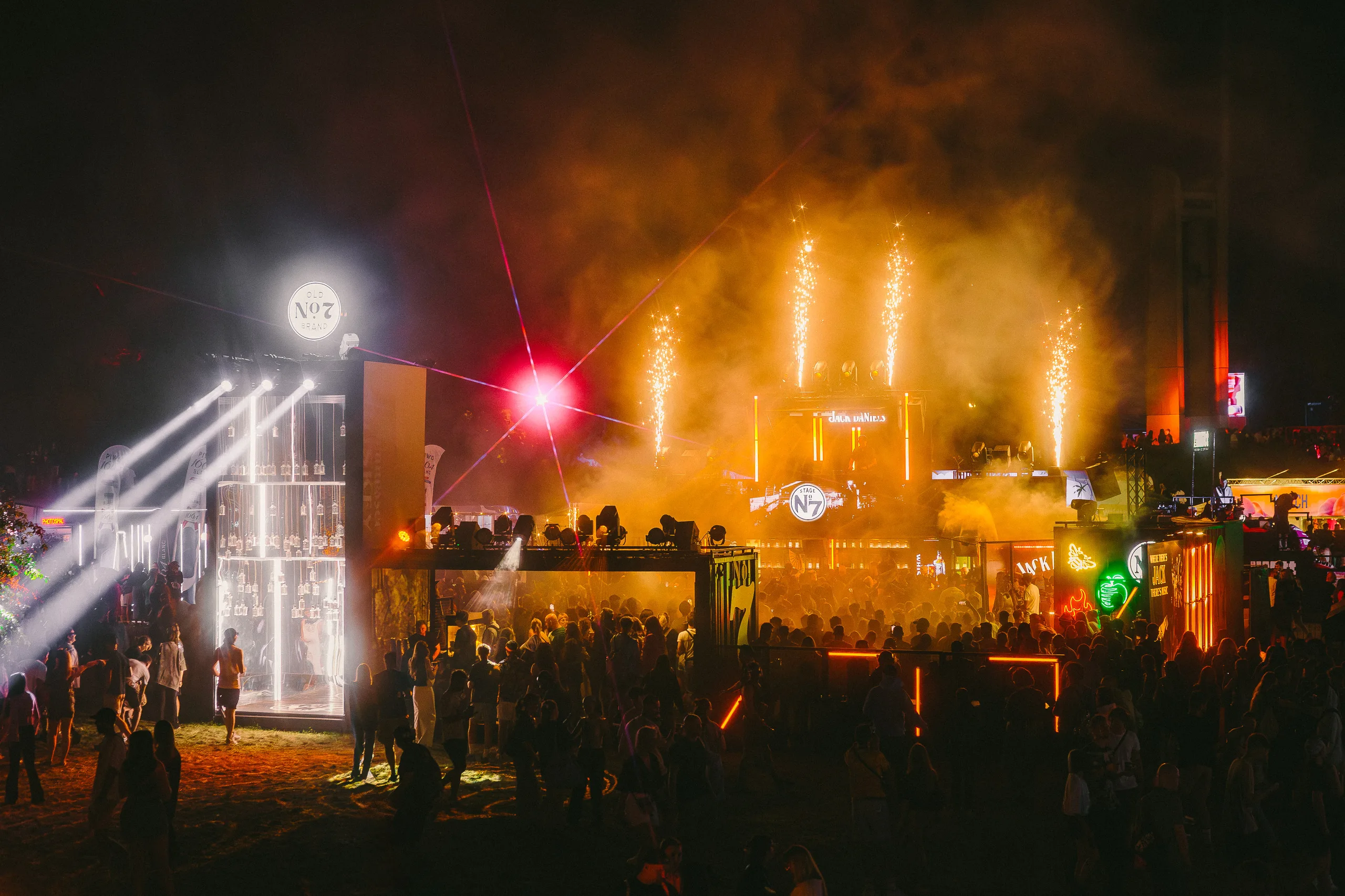
Next comes the time to sort through and review all the photos I've captured at the event to select the best photos for the client. Some of these decisions are simply in my head, as they stem from many years of working as an event photographer and thousands of hours spent poring over photos. I archive the photos that have been selected so that I can return to any project. There have been occasions when a client has got in touch six months later asking me to resend the photos.
The final stage, and my favourite part, is color grading, which is where I give the entire set of photos a consistent look. I attach great importance to this part of post-production and tailor it to the type and nature of the event, so the photos I deliver are a finished product. Clients never come back to me asking for corrections.
Delivery times for photos
Once the photos have been selected and color graded, I deliver the entire package within 2-4 days; if required, I also prepare event highlights first, a smaller selection of photos for social media or the press. I deliver this selection of photos on the very same day or, if the event finishes late in the evening, first thing the next morning. It's intended for quick publication, so it's only useful in the first few hours after the event, before the client receives the full set of photos.
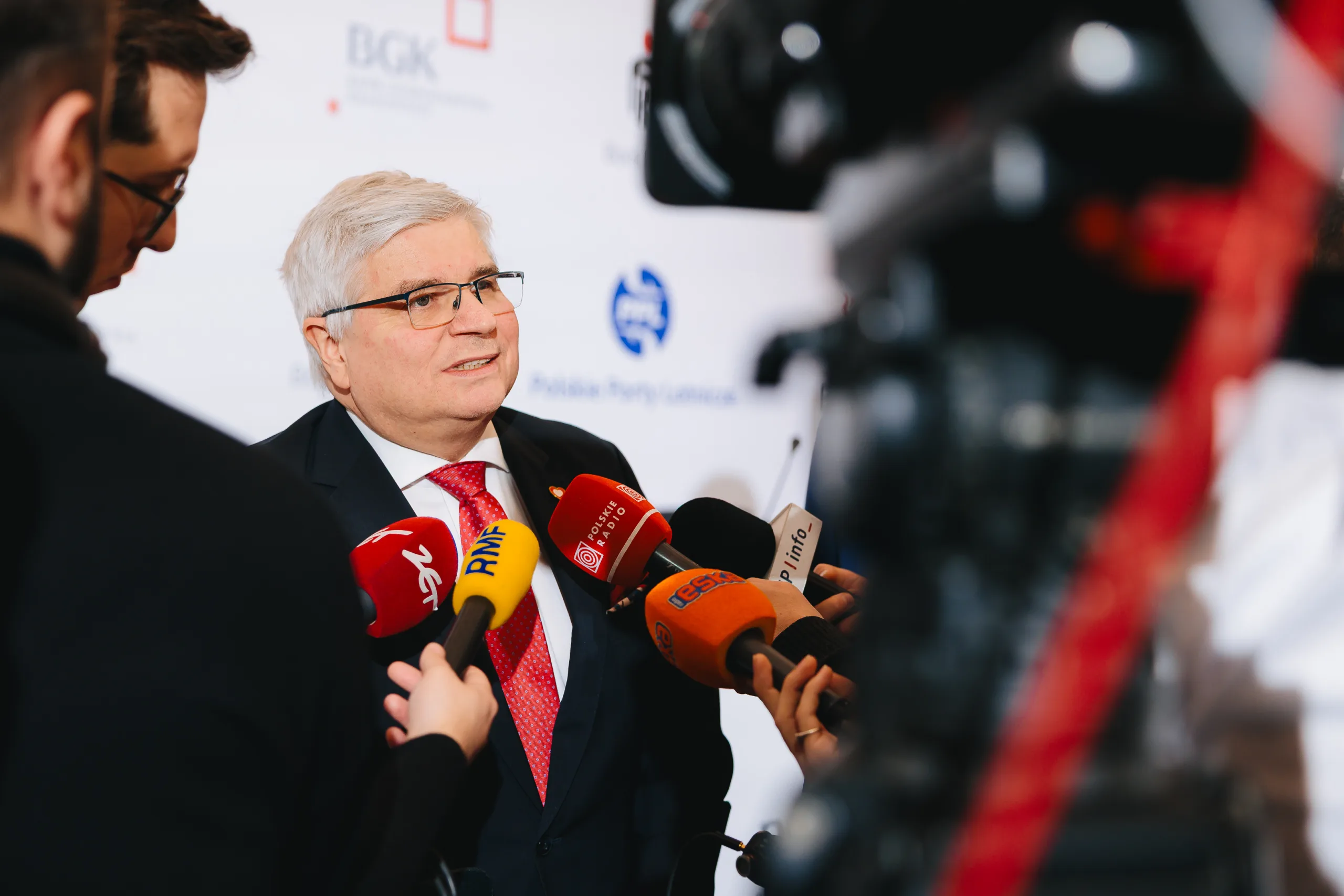
A client may also want to publish photos while the event is still underway, for example during a panel discussion. In the work of an event photographer, what counts then is the time from taking the photo to delivering it to the client in a ready-to-use format, so for such assignments I take my laptop with me and work on site.
How to send an enquiry to get comparable quotes
When a corporate event organiser is gathering quotes for photography services from several photographers, I have one piece of advice: send everyone an enquiry with exactly the same content. Before preparing a quote myself, I ask clients a few specific questions, so it's worth answering them straight away in the event description. Then the quotes can be easily compared to check whether each one covers the same scope of work.
I wouldn't look at the price alone in isolation from the rest. Alongside the price, it's worth reviewing the portfolio to see whether the photographer in question has experience with events similar to the one you're planning. You can find a cheaper quote in any industry, so the most important question is: what exactly is included in that price?
I've described what working with me is like, from the initial enquiry to the delivery of the photos, on the event photographer Warsaw page.
The questions I'm asked most often
How much does a photographer cost for a corporate event?
Before I can tell you how much a photographer costs for a corporate event, I'll ask about the type of event, its venue, the times and the estimated number of guests. Based on this, I prepare a quote for the specific event rather than giving a broad price range. I don't calculate rates per guest, as the quote varies depending on the scope and intensity of the assignment.
What budget should you set aside for an event photographer?
I advise planning the budget for an event photographer for the entire event from the outset. There have only been a few occasions where the agreement covered two hours out of five. In such cases, the client would extend my hours on the spot to cover the rest of the programme, so the final cost ended up being the same as what could have been agreed from the outset. I clearly state in my quote how much an extension costs, and when the budget is set in advance, the client can tailor the scope of work to fit it.
What should a photographer's price list include?
As well as the price itself, a photographer's price list should clearly describe what the price covers: the number of hours, the estimated number of photos, the deadline for delivering the photos and the licence for the photos. I would also check whether the quote sets out the rules regarding extending the event, as you can only compare the prices of several photographers once all these details are known.
How much does a photographer cost for a full day?
I determine the price for a full-day photographer primarily based on the agenda, that is, what's happening during the programme and how many people are attending. At a conference, 300 people are listening to a succession of speakers, whereas at a corporate event, a company trip or a team-building event, I have the same number of guests to photograph while they're taking part in activities across several locations at once, so I work in a completely different way for the same number of hours. The agenda also determines whether I can manage on my own or whether I'll suggest bringing a second photographer.
How does the quote for a conference differ from that for a gala?
Conferences and galas differ in terms of timing and duration: a conference usually lasts a whole day, while a photographer at a corporate gala works in the evening, when most formal events take place. In both cases, I base my pricing on the same factors: hours on site, the scale of the event and the number of programme items. For a conference, I also take into account the rotation of speakers and the number of stages operating simultaneously. I've listed what else I check in the agenda and what I need in the brief in my conference photography checklist.