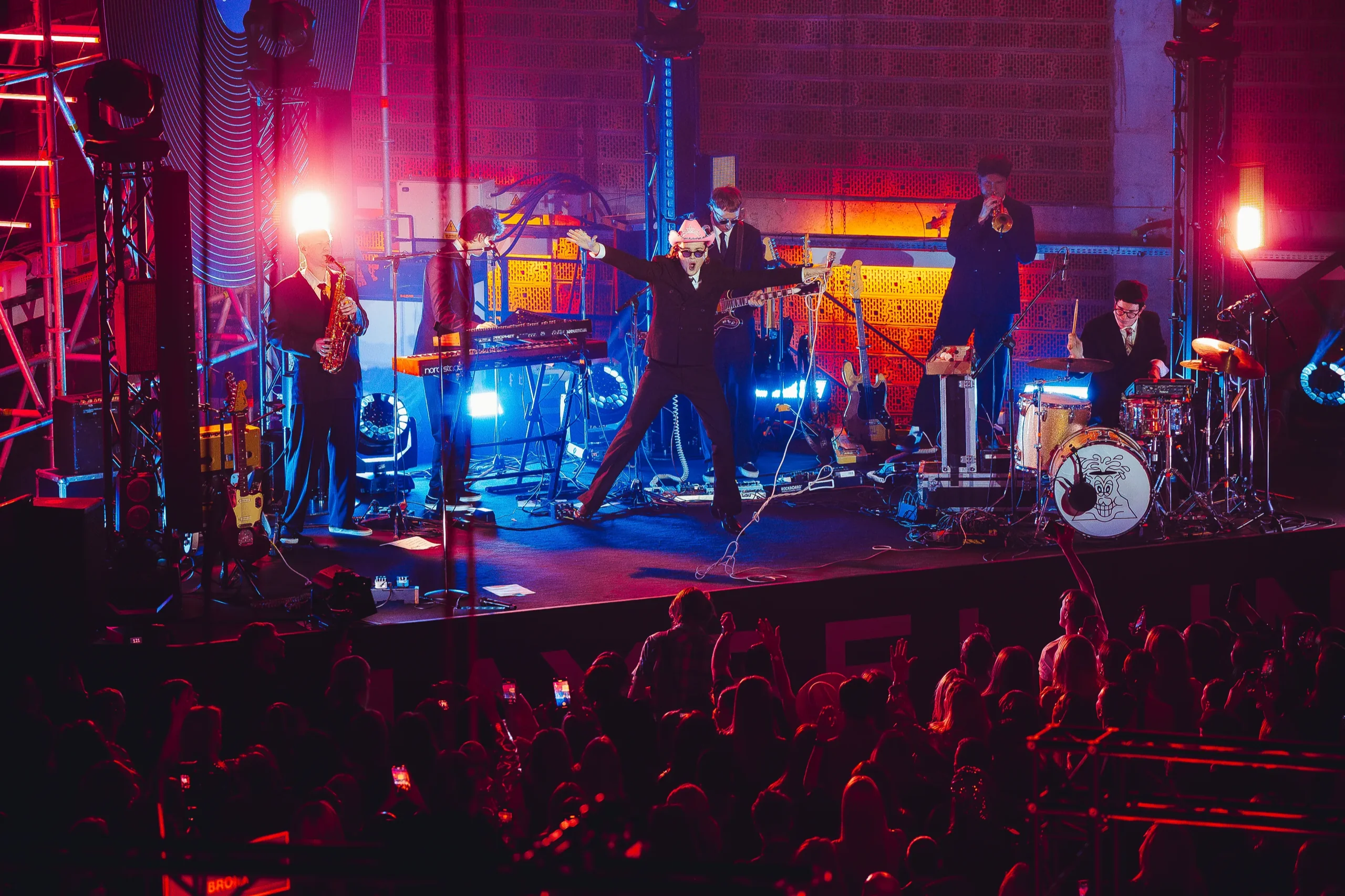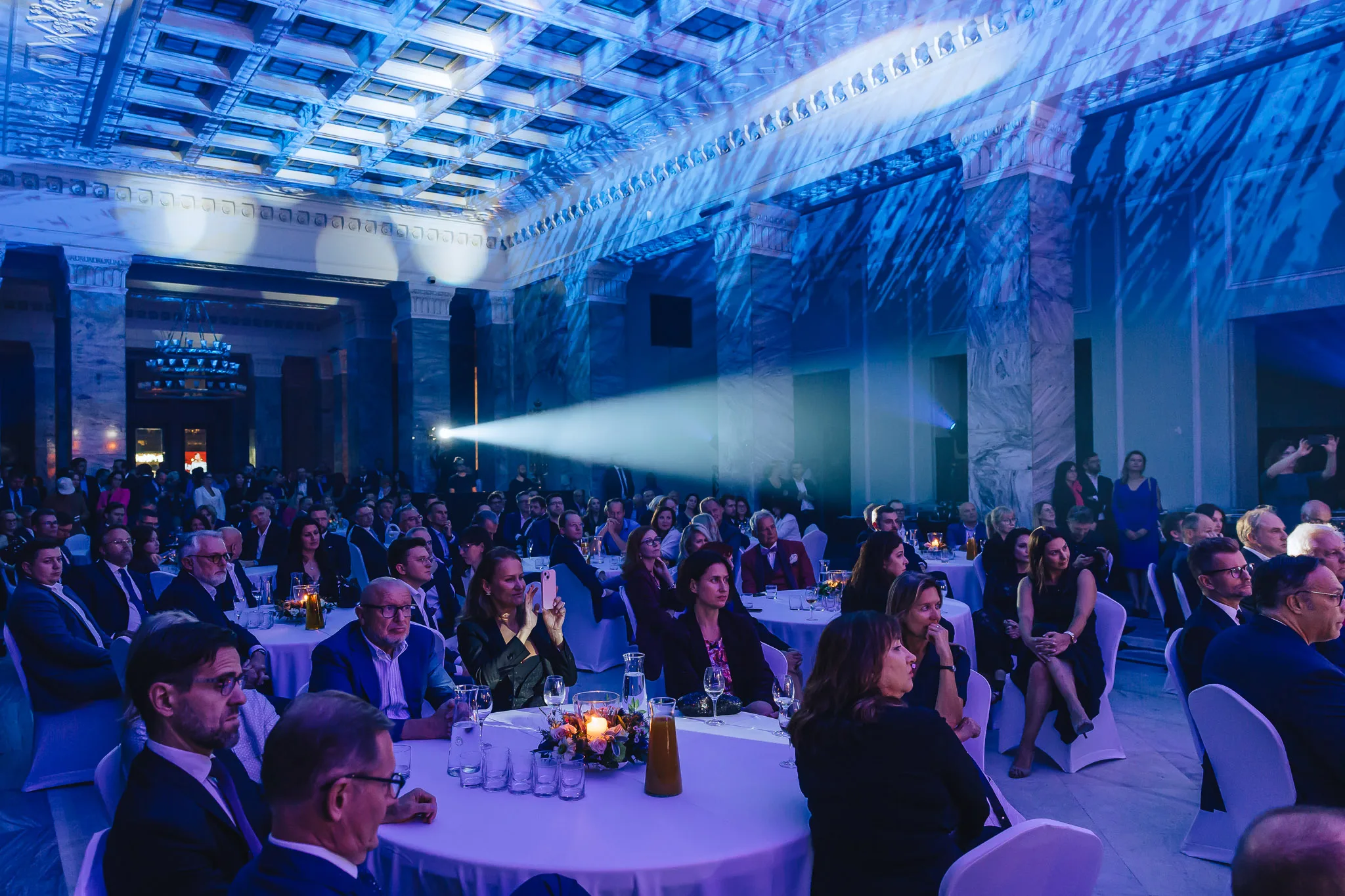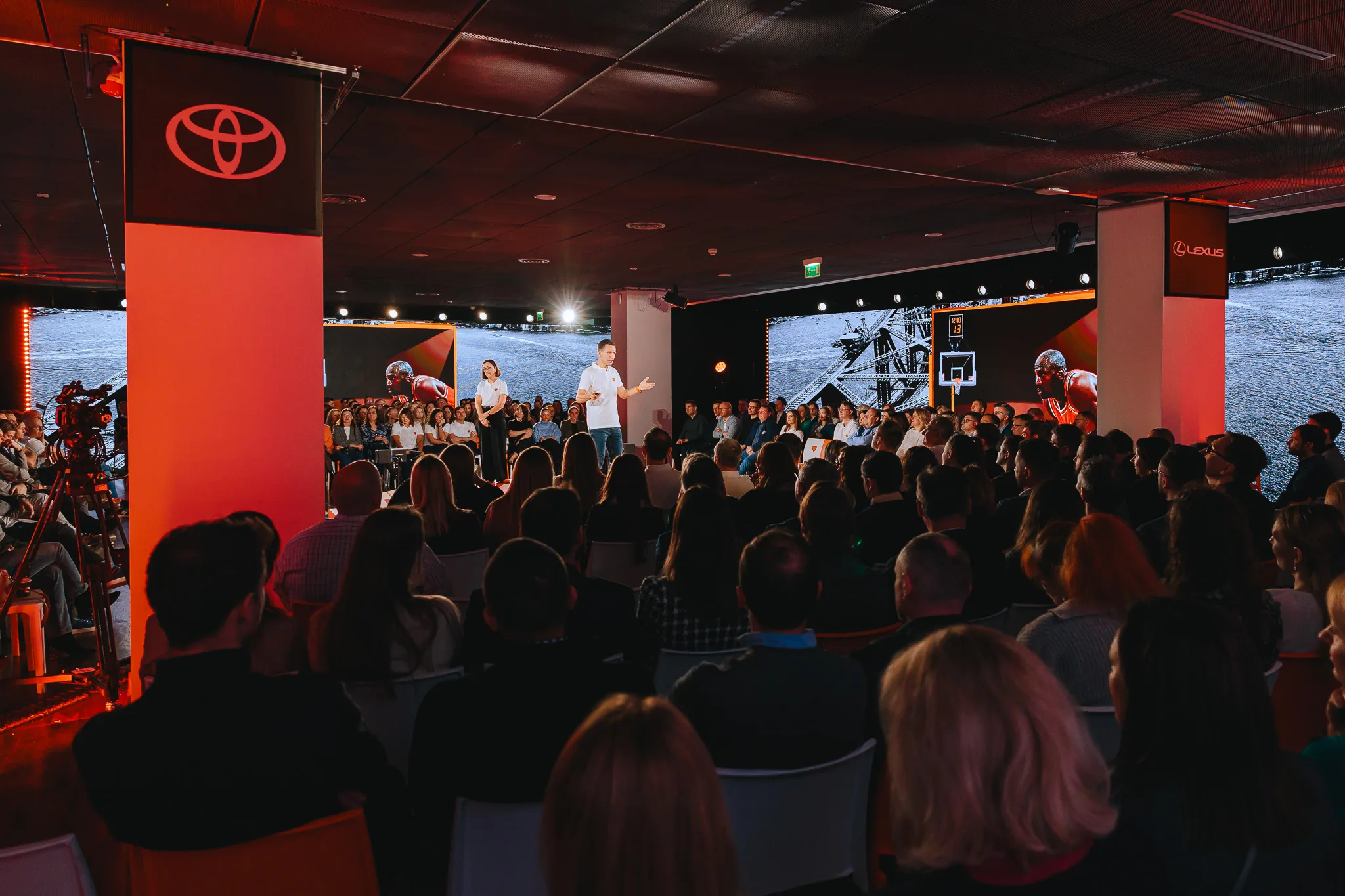

What I check in the agenda
I start reading the conference agenda by looking at the times and the first item on the programme, as I use it to work out how early I need to be on site. If networking is scheduled for 9:00, guests arrive at that time or a little earlier, while for an official opening at 9:00, they start arriving for registration even earlier. In both cases, I'm on site at least half an hour before the first guests arrive, so I have time to document the event venue. I also check how long registration will take, because with an hour and a half of registration I have more time for photos at the reception desk than when it lasts half an hour. I advise organisers to include in the agenda the time from which guests can enter, as I also time my arrival accordingly.
Then I look at the programme schedule: how many presentations and panels are planned, how long they last, and what the breaks between them are. It's one thing to work during a four-hour block of intensive presentations, and quite another when participants have a few-minute coffee break every hour and a half or two hours. Everyone on the stage must have good photos, regardless of how much time they spend there, and with short talks and rapid changes of speakers, I have significantly less time for each one.
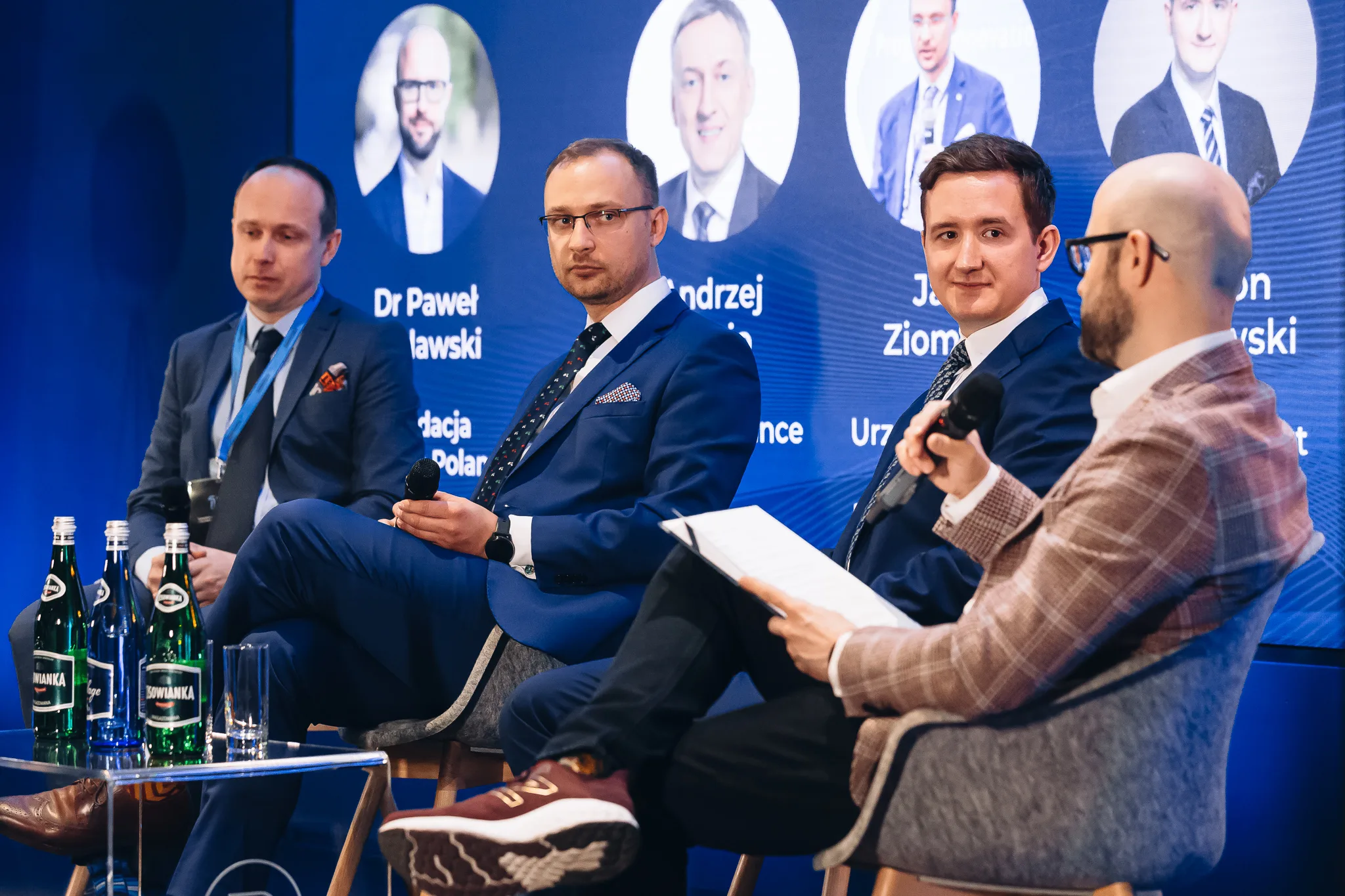
For panel discussions, I check how many people are on the stage and in what arrangement, as this determines which side I can approach them from and the best angles for taking photos. Finally, I check what's happening after the conference sessions. Sometimes these are workshops where participants explore the topics covered in the speakers' presentations, or a Q&A session with the audience.
What every speaker receives
I photograph every person who appears on the stage with the same care, and each one receives the same set of photos from me, because simply being on the stage means they are important. This set includes full-length shots, portraits, shots of gestures, and wider shots showing the stage and the audience. I also take the same photos for every participant in a panel discussion, even if there are six or seven people on stage.

The organiser doesn't need to prepare a shot list for me, as I know from many years' experience what shots are needed for every presentation. If someone does prepare such a list, I appreciate the effort, but I don't require it so as not to add to the client's workload. If the client indicates that a particular element of the event is especially important to them, I pay even greater attention to those shots. Similarly, I focus more on a person who, according to the client, doesn't like how they look in photos or has high expectations of them.
I photograph all the sponsors and all the branding, as every sponsor is equally important to me. I make an exception for events with several dozen sponsors where I'm working on behalf of just one of them; in such cases, I focus specifically on that sponsor.
When to agree on a deadline for delivering the photos
I agree on the deadline for delivering the photos with the client before the event, when we discuss the details of the assignment by email or over the phone. If the client sets a deadline in advance, for example, if photos from a Monday event must be delivered by 12:00 on Wednesday at the latest, I always try to meet that deadline. If no specific date has been agreed, I normally deliver the photos within a maximum of 4 working days. In a separate post, I show how many event photos a client receives and when, using examples from specific galas and corporate events.

Organisers often request event highlights, a smaller selection of photos for social media and the press, only while the event is still taking place, so I advise mentioning this during the initial discussions. It's worth agreeing on every deadline, including the one for delivering the event highlights, before the event begins, so that both parties know where they stand.
Checklist: what to agree with the photographer before the conference
Before the conference, I recommend sending a brief to the event photographer containing the following information:
- Estimated number of guests, indicating the scale of the event
- The agenda with timings, including the time guests are due to arrive
- Rehearsal times, as I can take photos of the venue when it's empty between rehearsals
- Telephone number of the on-site contact person
- Information on parking
- Deadline for delivering photos and event highlights
- Details of what the client particularly values
- A group photo, if planned
- Information if it is known in advance that two photographers are required
Nice to have
- A running order: a technical schedule broken down to the second, with the timing of each speech
- A floor plan or technical layout of the venue
- Information about VIP guests, if any, with photographs or someone to point them out to me on site
The questions I'm asked most often
How far in advance should I book a photographer for a conference?
I advise booking a photographer for a conference as early as possible, particularly for larger events. A week before the conference is the very last moment to make an enquiry, because the closer it gets to the date, the more likely it is that the date is already taken by an event another client booked with me a month or even longer in advance. Before booking, it's a good idea to ask the photographer a few specific questions, which I've listed in my post on how to choose a corporate gala photographer.
What should I discuss with the photographer before the event?
Before the event, I need the client to provide an estimated number of guests and an agenda with timings, as I use these to assess the scale of the event and plan my arrival time. In the brief, it would also be helpful to include the phone number of a contact person on site and details of what is particularly important to the client. I recommend agreeing on the deadline for delivering the photos at the same time as the deadline for the event highlights.
How should I prepare a schedule for the photographer?
All I need is an agenda with times, which also indicates when guests arrive and when rehearsals take place, as I can photograph the venue when it's empty during the breaks between rehearsals. I recommend including details of any planned group photos in the same brief. I'm also happy to receive a running order, a technical schedule broken down to the second, but I don't require it.