One person can't be in two places at once
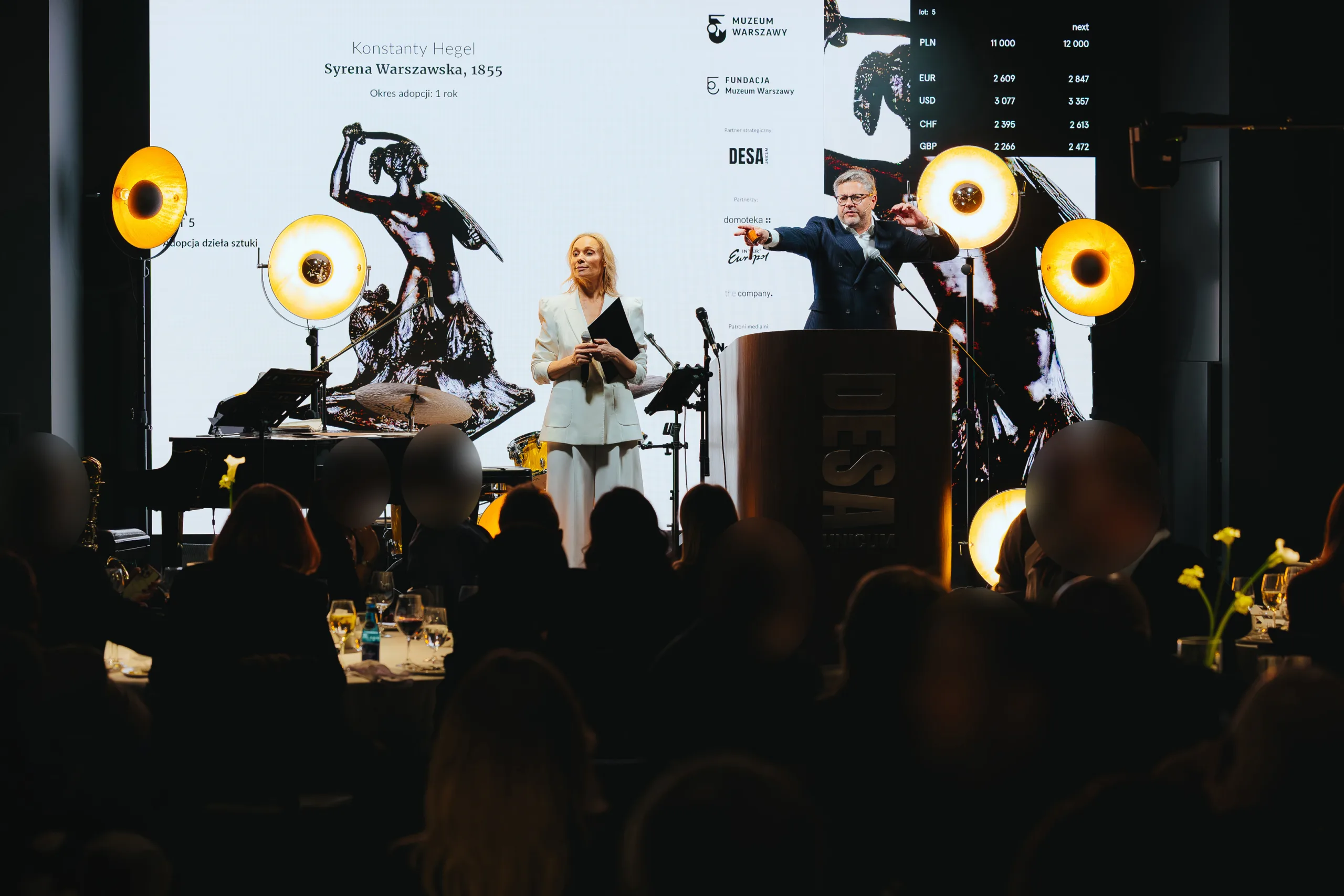
When, during the official part of the event, I'm standing at the foot of the stage and focusing on capturing the 'must-have' shots, that is, the ones I have to take of every person appearing on the stage, behind me there's a whole space filled with several hundred guests who are listening and reacting to what they're hearing. To capture their reactions, I have to turn round or step away from the stage, thereby changing my perspective, and in that moment, someone on stage might shake hands with someone else, be visibly moved, or hold aloft an award they've just received. I position myself so as not to disrupt this part of the evening or block anyone's view by standing right in the middle.
No one repeats such moments at a photographer's request. When working alone, I have to bear such scenarios in mind at all times, as they can happen at any moment. When I work with another photographer or in a larger team, the most important thing is communication and a clear division of roles, that is, agreeing which 'must-have' shots each person is responsible for and where they should be standing at any given moment.
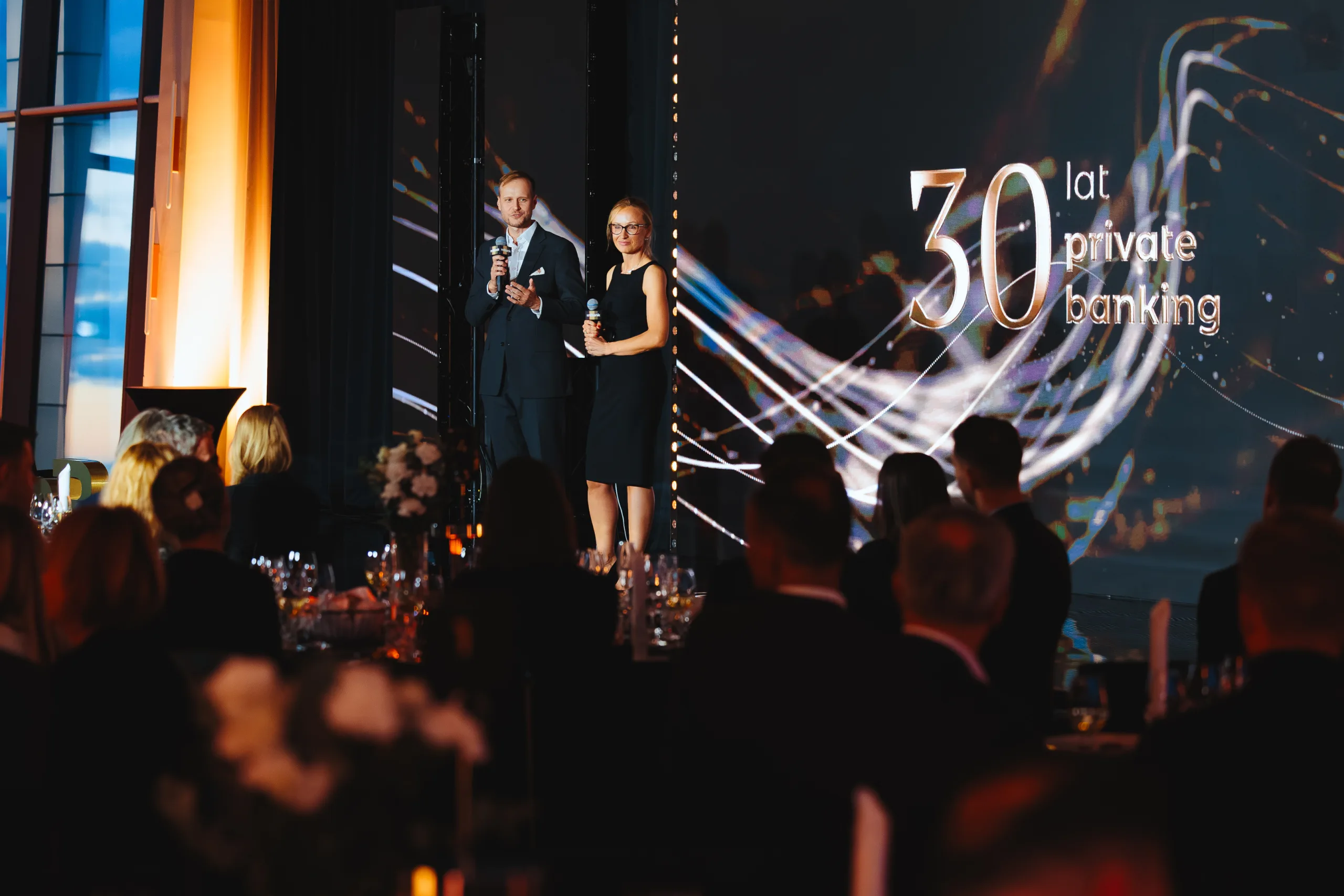
With two people, nobody has to choose. One keeps an eye on the essential shots by the stage, while the other can focus on additional shots that show the scale of the event, a wider perspective and unique moments.
The same moment from two perspectives
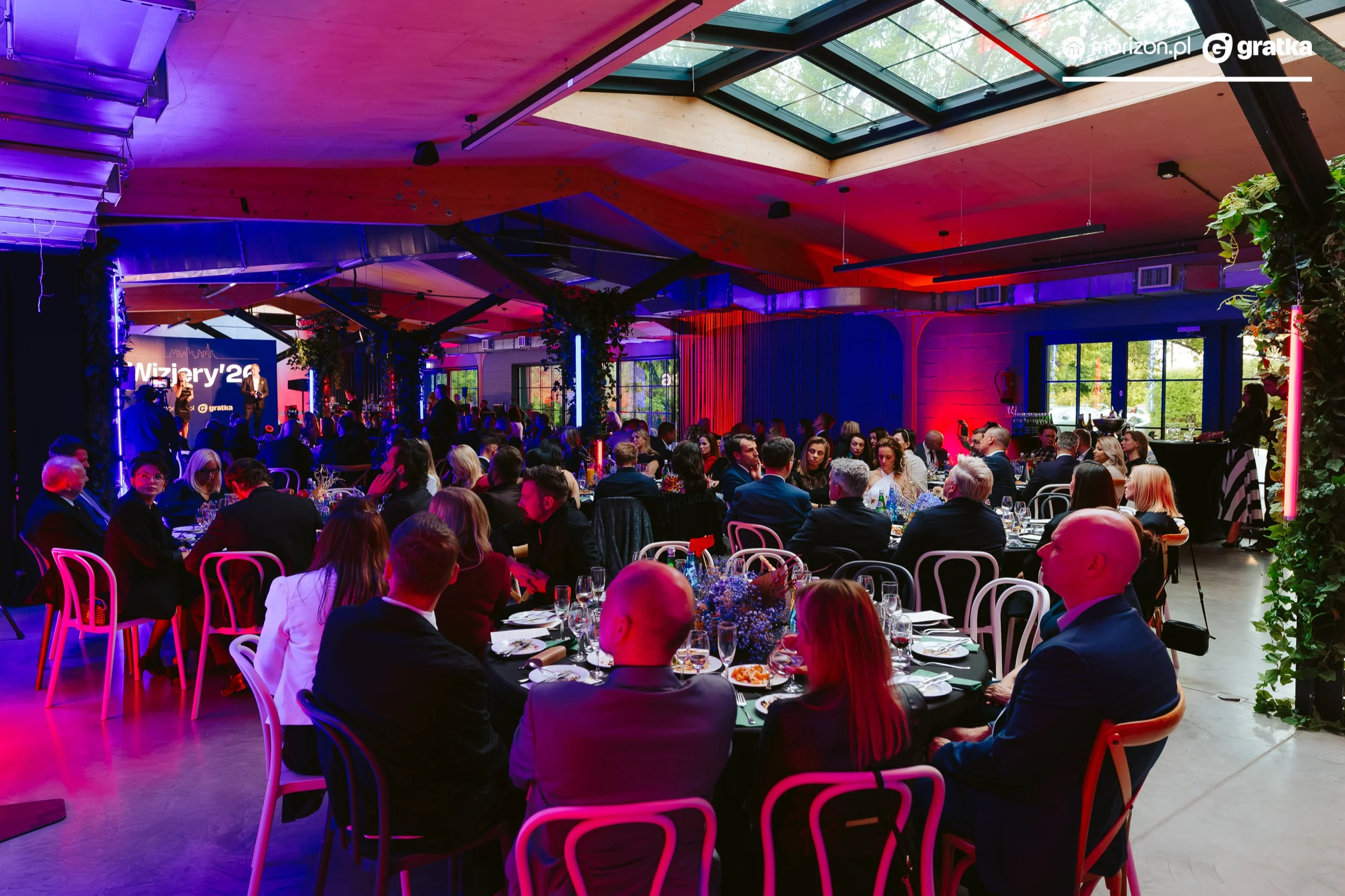
The difference only becomes apparent in the finished gallery, when selecting photos for the press or a report. With a single photographer, a close-up of the speaker and a wide shot of the audience are taken one after the other, with a longer time gap between them, so they show two different parts of the speech. With two photographers, they are often taken at the same moment and greatly enrich the photos with an additional perspective.
With this division of labour, one person usually works with a 70-200mm telephoto lens, which allows for powerful close-ups from a distance, and sticks to a narrow frame: portraits, full-length shots, close-ups of faces and the gestures of people on the stage. The other usually opts for a 15-35mm wide-angle lens or a versatile 24-70mm lens and automatically becomes a roving photographer, focusing on medium and wide shots, the reactions of guests and the event as a whole seen from a different perspective. These three lenses are sufficient for practically any event.
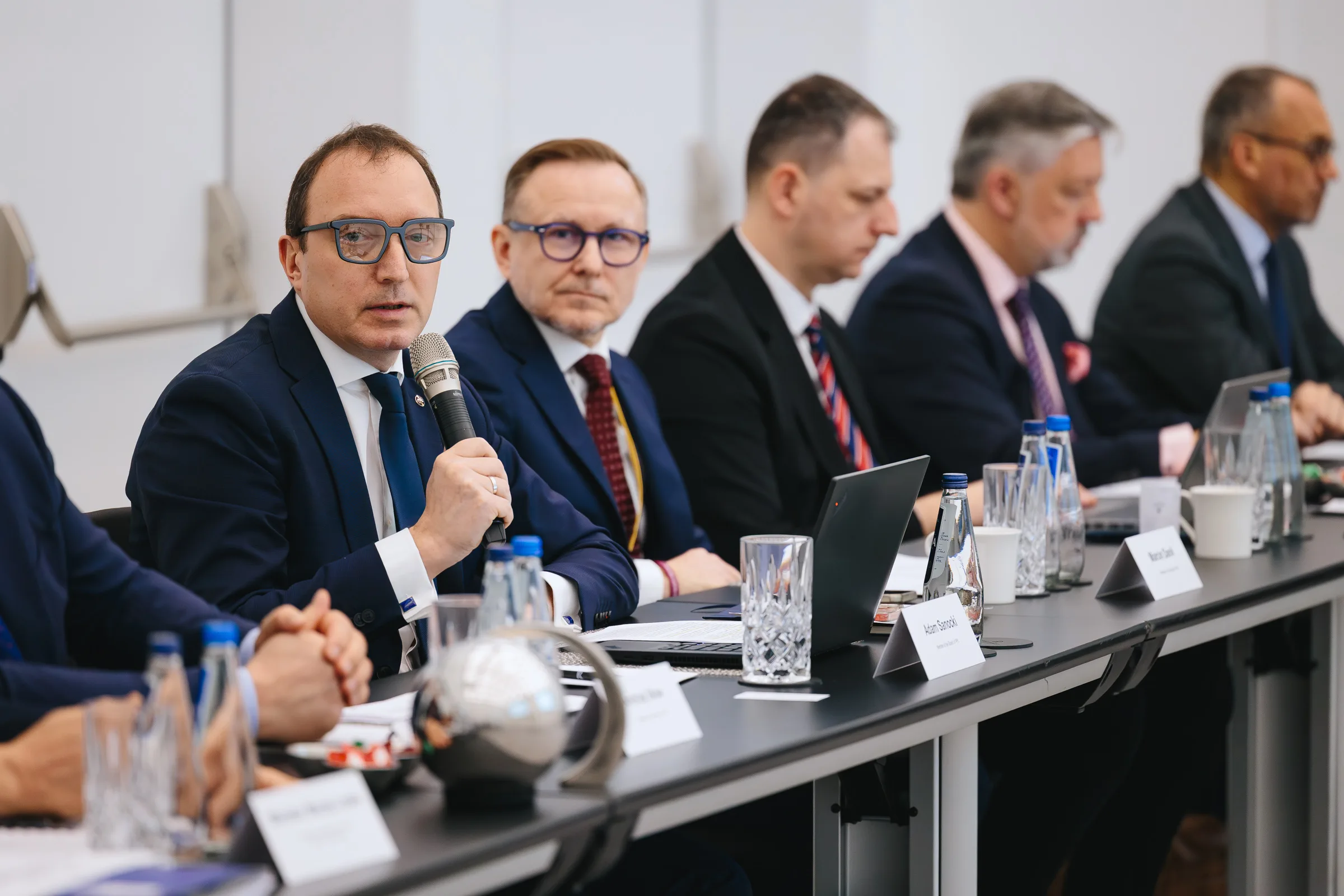
Agencies usually ask about a second photographer during the briefing, while clients raise the issue right at the start of the discussions. Most often, these are people who have covered several major events and know that with just one person, some things happen outside the frame, regardless of who is holding the camera.
When do I suggest a second photographer, and when do I work alone?
When I'm considering bringing in a second person, I look first and foremost at the event programme, and only then at the number of guests. A conference for 300 people, where lectures and panel discussions run all day and the audience sits and listens, can be handled by one person, because the presentations last half an hour or an hour and I have time to move around the venue, capture the same moment from several angles and return to the stage. It's much the same with a festival area, through which hundreds of people pass: one person is enough, provided they know what they're doing and what to focus on.
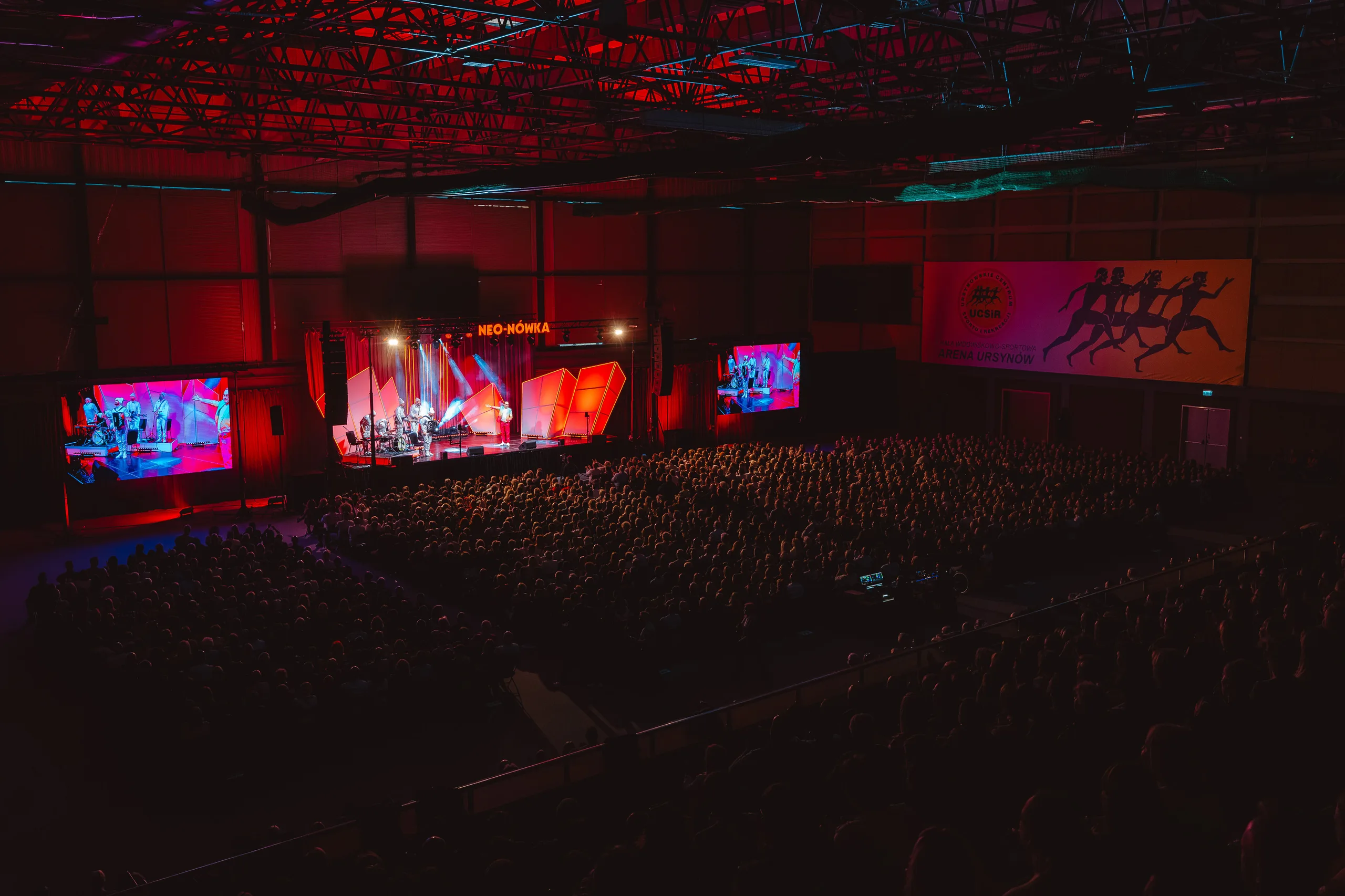
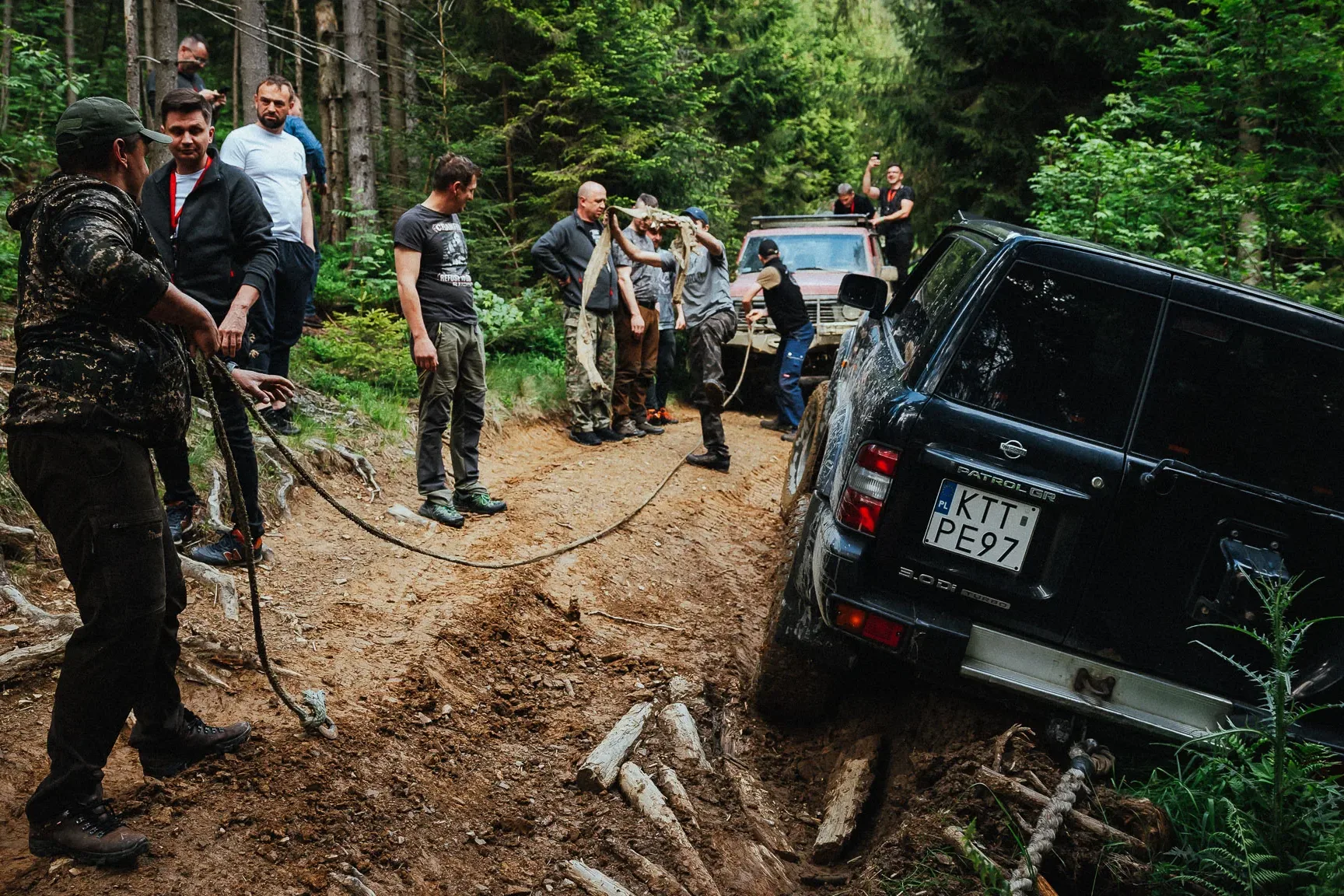
The same 300 people on a company trip present a completely different challenge, as activities take place simultaneously: one group goes off-road, another stays at the hotel, while at the same time there's live music playing on the beach and water sports taking place. I used to photograph a company's annual trips, which attracted between 500 and 800 people each year, and on every one of them I worked with a second photographer, and the photos were always complete. When the programme featured five activities at once, we brought in additional photographers, as two people simply cannot be in five locations at the same time.
Not every budget allows for a second photographer, in which case I photograph the whole event on my own. The photos must be comprehensive every time, regardless of how many people are involved, so I plan my time in such a way as to ensure I have equally rich photos from every zone. I've explained how the programme and a second photographer affect the quote in my post on what shapes event photography costs in Warsaw.
Where one person's capabilities end
The largest events I've photographed have been festivals with tens of thousands of people, but there's a whole team of photographers and camera operators working there, so the number of guests takes on a different significance in that context. As for private events, accessible only to invited guests, the largest was a gala for over 3,000 guests from several countries, featuring an official ceremony, awards and speeches, followed by an after-party with live music.
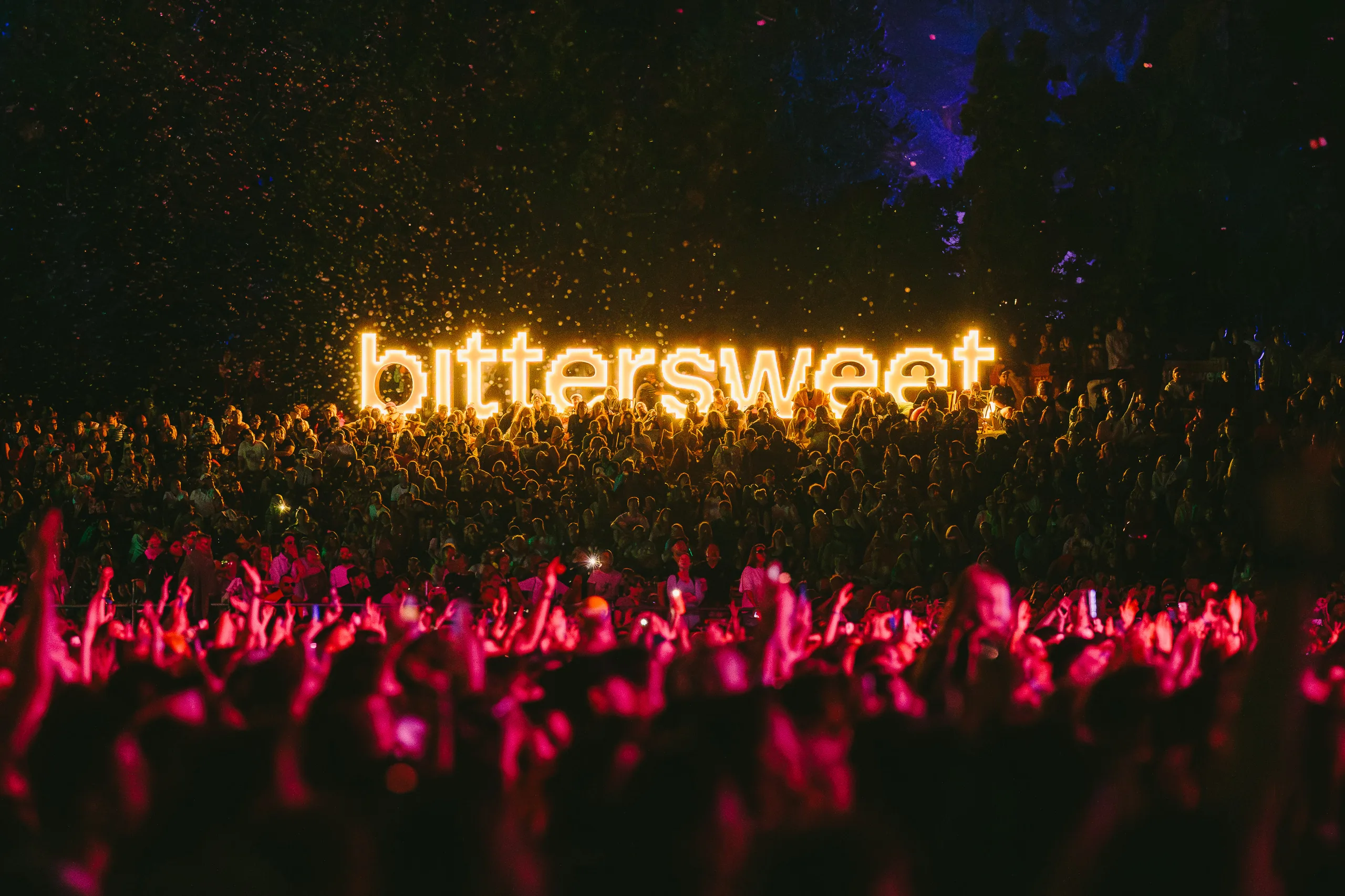
I worked there with another photographer, and on a scale like that, everything hinges on communication and trust. I need to be sure that the other person is doing exactly what we agreed on, because only then do the photos from both cameras come together to form a complete set. Working as a pair has another benefit: at an eight-hour event, the focus during the final two hours is completely different when the other person takes over some of the essential shots.
There simply isn't a single figure beyond which a second photographer becomes essential. I usually suggest one from around 300 guests upwards, but ultimately it depends on the agenda and how many things are happening at once and in how many locations.
Who stands by the photo wall?
The photo wall is immediately apparent in the agenda: someone has to be there for an hour or two, as guests arrive in waves and everyone wants their own photo. With two photographers, it's usually the second one who handles it, though that doesn't mean the task is easy, as the shots need to come out perfectly the whole time, while the people in front of the lens change every dozen or so seconds. There's almost always a flash set up by the photo wall, and with that it's easy to end up with closed eyes or a facial expression caught mid-sentence, so the photographer has to monitor every shot as it happens.
When I'm working on my own, the photo wall is simply another item on the programme. It gets its own slot in the agenda, usually 30-60 minutes at the start of the event, and in the meantime I focus on photographing everything else. When there's a lot of footfall, I stay put until the end of the session, but when guests approach one by one, I have much more flexibility.
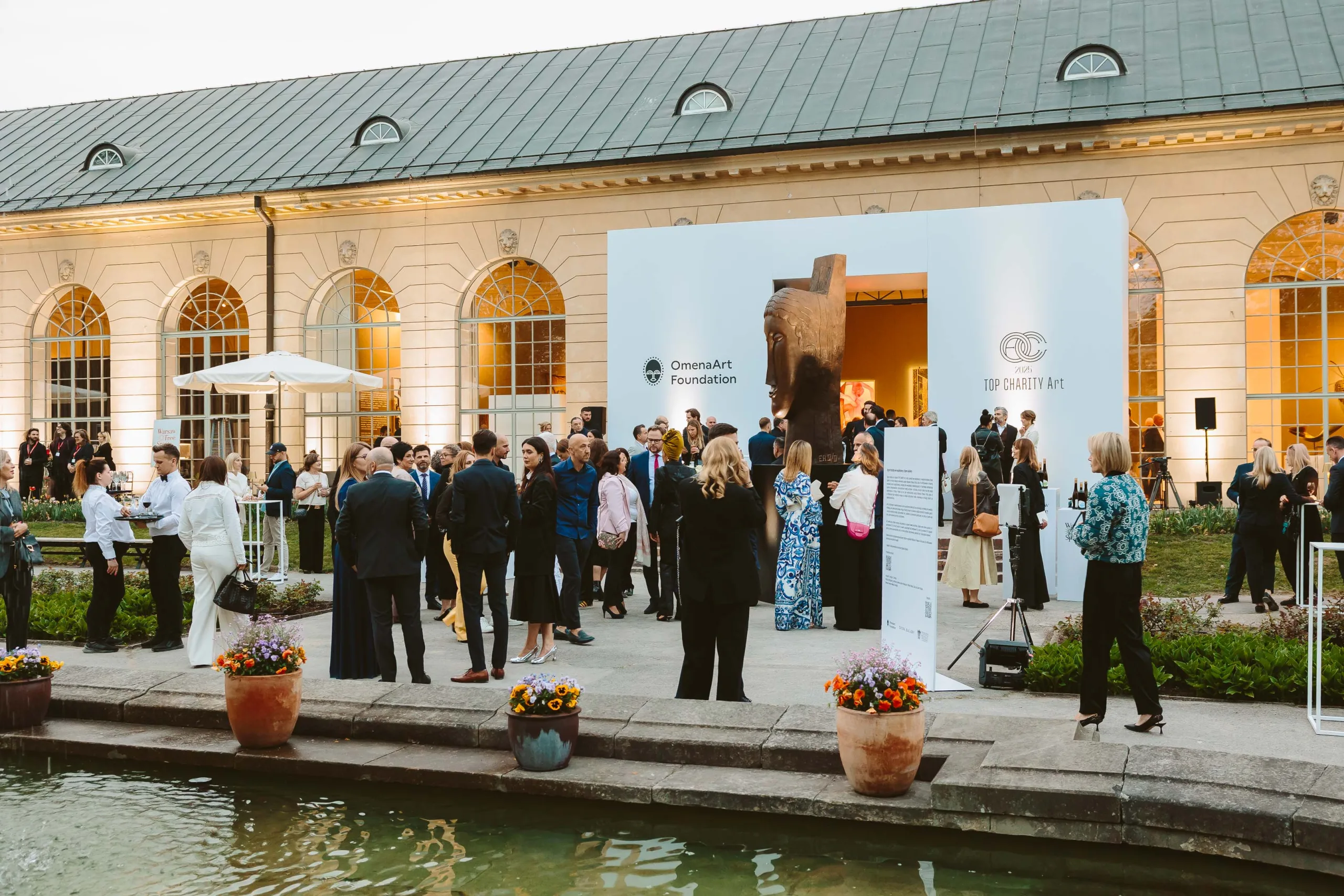
At larger events, there are usually two photographers working, and I believe that an experienced photographer should suggest this themselves before the client asks. The same problem arises here as with the stage: while standing by the photo wall, I can't see what's happening at the other end of the venue.
Clients often ask about the number of photos taken by the photo wall, and I always give them a range rather than a single figure, usually between 50 and 100 final photos. This depends primarily on the scale of the event and on whether the client wants photos of all the guests or just the well-known figures and celebrities, if any are in attendance. Preferences vary here. I plan the time myself based on the agenda, as this part of the programme usually lasts from when the guests arrive until the start of the official part, i.e. from half an hour to two hours.
An awards gala with no time to breathe
I've worked at awards galas many times, but one in particular has stuck in my memory. The division of roles was simple and standard: one person stood at the foot of the stage and was responsible for the 'must-have' photos with each winner, while I worked as a roving photographer. The gala itself, however, was incredibly intense, as there were a huge number of awards, the winners took to the stage one after the other, and their speeches were brief due to the very tight programme.
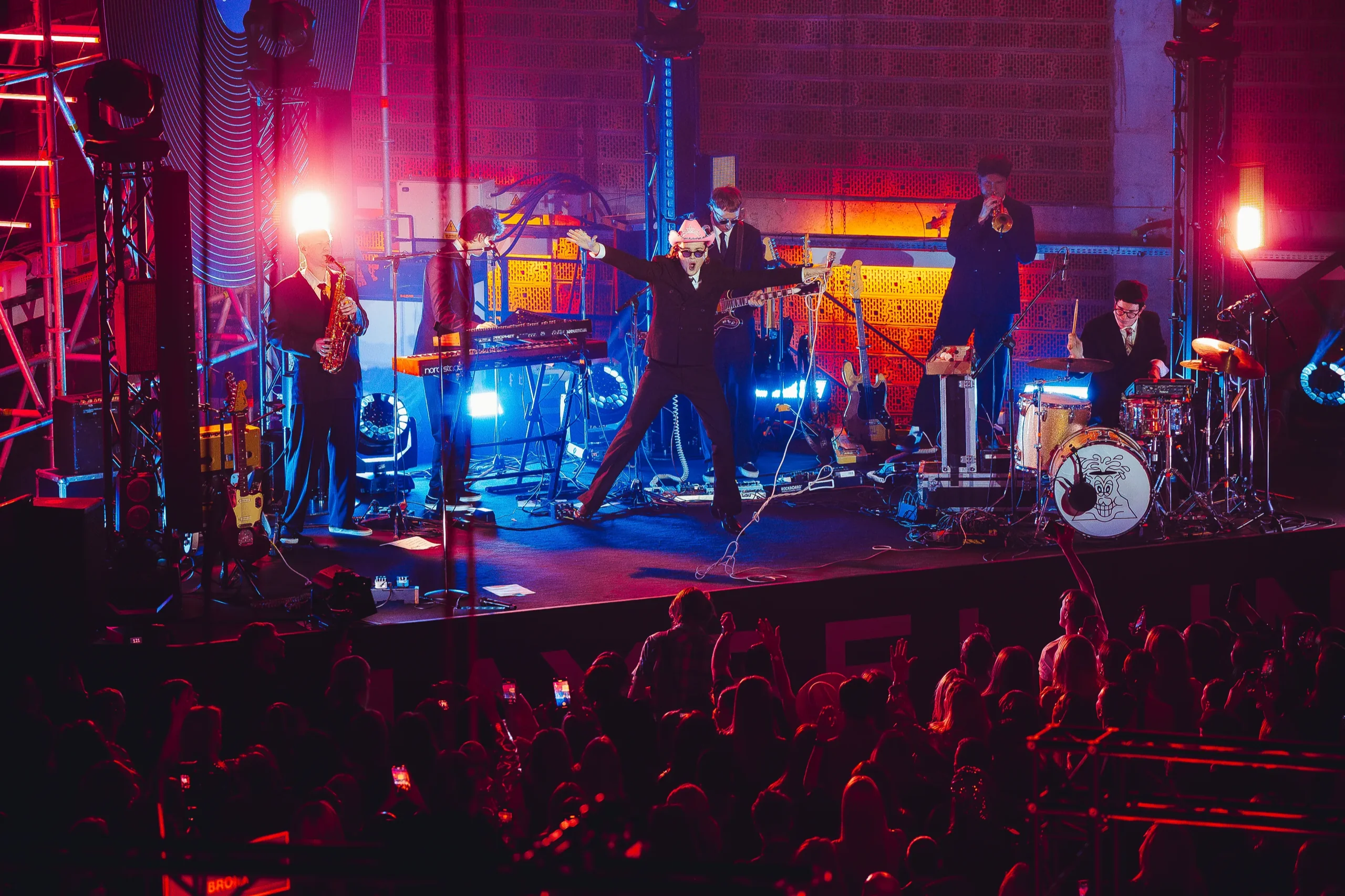
I focused on wide shots, looking for emotion and gestures, close-ups of the awards being received, or group photos from a higher vantage point, in other words, the same moment seen from the other side of the event. During the breaks between categories, artists took to the stage with live music, and this part also had to be fully covered.
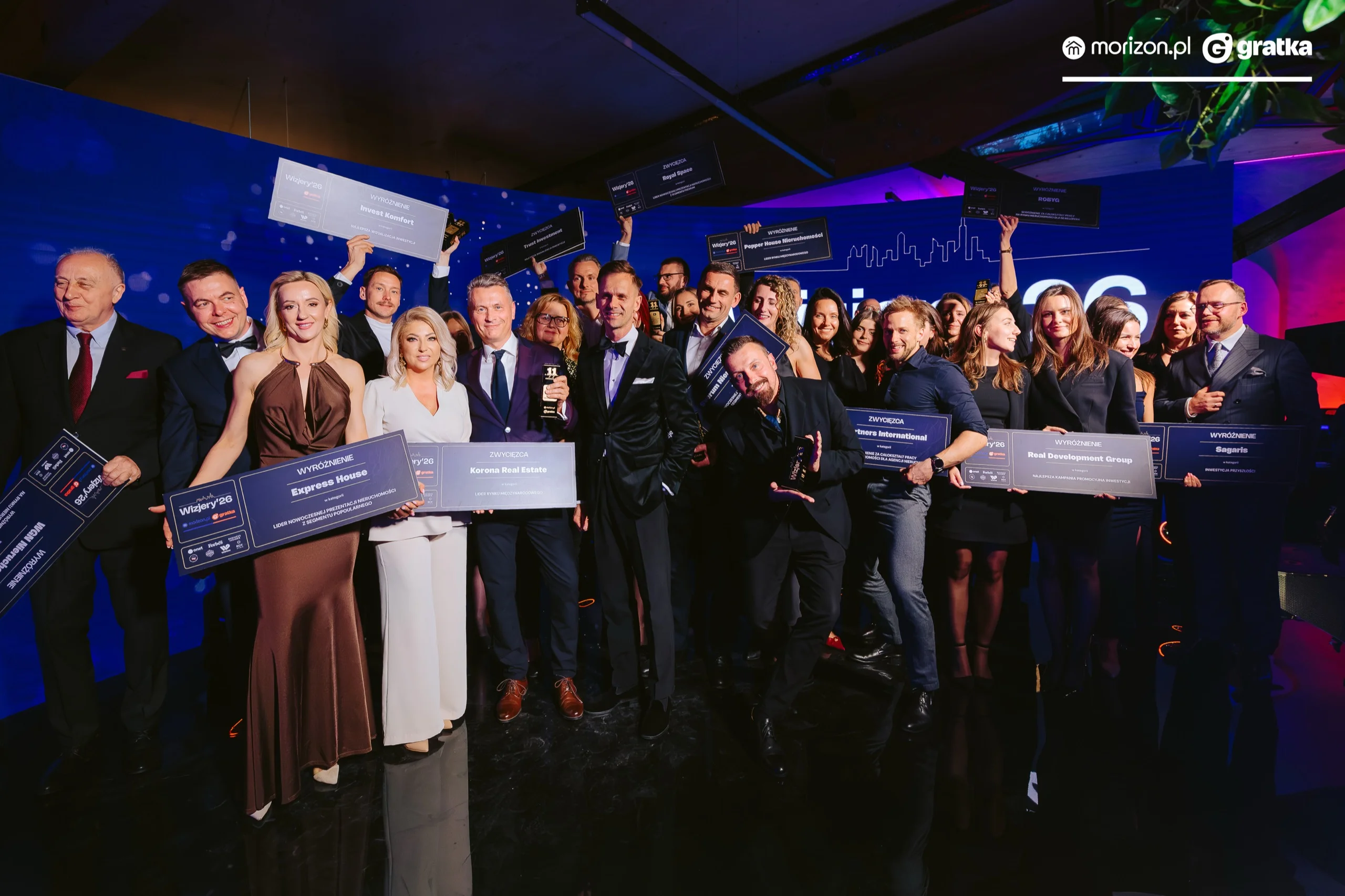
The official part lasted a total of 3 hours and resulted in 150 final photographs, that is, those that made it through the full selection, as we had taken far more shots. The entire set of photos from that evening totalled 450 photos and was delivered to the client within 24 hours of the gala's conclusion, as this was the deadline we had agreed upon for this project. My part of the job also included full color grading of all the photos, ensuring that the photos from two cameras and multiple angles came together to form a single, cohesive record of the entire event. I've written separately about what a photographer's work at a corporate gala entails. This awards gala also appears in the table alongside other assignments in my post on how many event photos a client receives and when.
Unforeseen circumstances and contingency plans
Event managers plan well in advance and ask what might go wrong, so this topic regularly comes up during discussions. I save my photos straight away onto two memory cards simultaneously, so even if one of them were to fail, the complete set of photos would remain on the other. Memory cards of this calibre hardly ever fail, and fortunately it's only happened to me once, but when working live I don't put all my eggs in one basket. I always carry spare cards with me, and for major events I also take a second camera as a backup or work with two at the same time.
Unforeseen circumstances are so rare that I wouldn't use them as a selling point. Having a second person on hand is also a safeguard for such an eventuality, but that's probably the weakest of the reasons for taking them along.
The questions I'm asked most often
When is a second photographer necessary, and when is it overkill?
There's no single cut-off point, as it depends more on the programme than on the number of guests. I usually recommend a second photographer for events with around 300 guests or more, and particularly when the agenda includes activities taking place simultaneously or a photo wall.
Will the photos from two photographers match each other?
They will, provided that one person goes through all the photos at the end and is responsible for the color grading of the entire collection. Without this, the two sets of photos will differ in colour, and it will be immediately obvious; so for every such project, I arrange this well in advance of the event.
How do you divide the work at an event?
One person is responsible for the essential shots from each part of the programme, while the other, at the same time, captures shots that neither of them would have been able to take on their own at that exact moment. We finalise the division of labour during the on-site briefing, after checking the entire venue.